Preseason Conditioning for a Hunting Dog
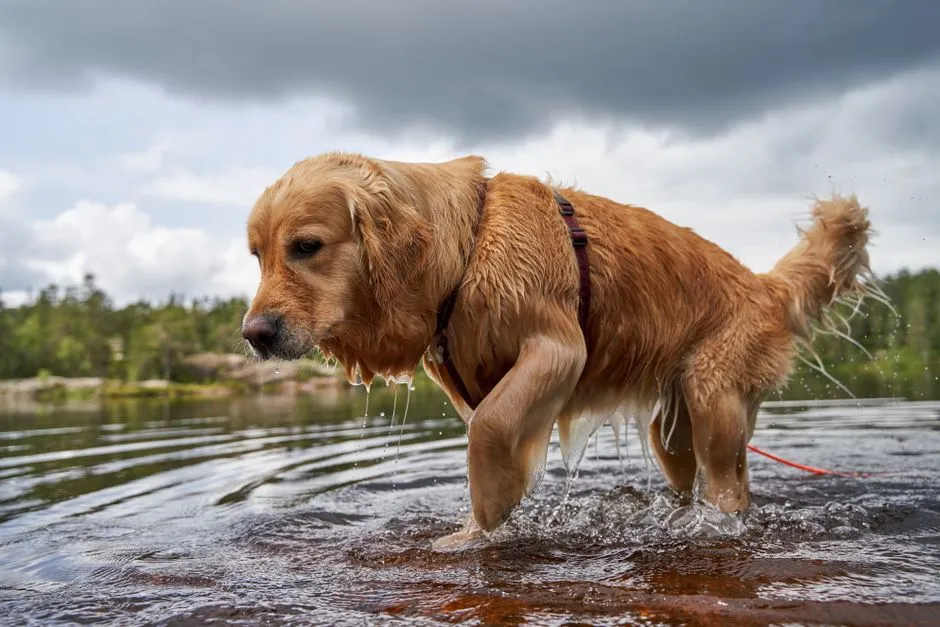
Begin with a veterinary plan for this dog
Preseason conditioning for a hunting dog should start with a veterinary assessment and a gradual plan matched to the dog's age, health, body condition, previous workload, terrain, climate, and intended field task. Build time, distance, speed, terrain, and load separately, with recovery between harder sessions. Stop for pain, lameness, breathing trouble, collapse, disorientation, or other concerning change and seek veterinary help.
There is no universal four-week schedule for every gun dog. A young dog, senior, dog returning from injury, brachycephalic dog, and experienced athlete do not share one safe progression merely because the calendar says opening day.
Establish a baseline before adding work
Ask the veterinarian about fitness for the intended activity, weight and body condition, heart and breathing concerns, joints, previous injuries, nails and paws, parasite prevention, vaccines, medications, and emergency planning for the destination. Discuss any cough, fainting, stiffness, reluctance, heat intolerance, or performance change.
Record what the dog currently does comfortably: walk duration, surface, pace, recovery behavior, and how the dog moves later that day and the next morning. This is a baseline, not a test to exhaustion.
Browse working dog care for more questions to take to the veterinarian.
Increase one demand at a time
Begin with regular controlled aerobic work appropriate to the veterinary plan. Add duration before repeated speed, then introduce hills, uneven ground, cover, retrieves, swimming, or carried equipment gradually and individually. A leap from neighborhood walks to all-day field work asks enthusiasm to perform the job of conditioning.
Use easy days and rest days. Muscles, tendons, pads, coordination, and heat tolerance adapt on different timelines, and visible energy does not prove complete recovery. Watch willingness, gait, breathing, sleep, appetite, stiffness, and movement after rest.
Training should remain reward based. Do not use forced exercise, vehicle pacing, punishment, or exhaustion to produce fitness. The dog's ability to stop and disengage is useful information.
Condition for the real surface and equipment
Progress from familiar footing to representative terrain in safe, controlled doses. Check paws before and after each session for cuts, abrasions, tenderness, swelling, cracked pads, damaged nails, or material between toes. Grass awns, burrs, ice, sharp rock, hot ground, and hidden wire create different risks.
Introduce boots, protective vests, flotation devices, harnesses, and other equipment through short rewarded sessions. Check fit during movement and inspect for rubbing. No item makes a dog invulnerable, and unfamiliar gear should not debut during the longest day.
Practise vehicle loading, crate rest, water breaks, recall, and calm waiting too. Field readiness includes the quiet minutes between impressive ones.
Use our whistle-recall guide to build a humane handling cue before adding distraction.
Plan around heat and water
Dogs can overheat during exertion even when the air feels comfortable to a person. Humidity, sun, poor airflow, warm water, intensity, body type, coat, acclimation, health, and excitement all influence risk. Ask the veterinarian for individual limits and emergency instructions.
Schedule work for safer conditions, shorten or cancel when needed, offer fresh water and planned rests, and provide shade and ventilation. Never leave a dog in a hot vehicle. Avoid hot surfaces that can injure paws.
Concerning signs can include excessive or unusual panting, weakness, confusion, poor coordination, vomiting, collapse, or a change in gum color. Stop activity, move to a cooler safe place, begin first aid as the veterinarian has instructed, and contact a veterinarian or emergency clinic promptly. Do not delay professional advice while experimenting with internet remedies.
Rehearse the field-day rhythm
Before the season, practise a shorter version of the expected day: transport, warm-up, work interval, water and rest, paw and equipment check, another easy interval, cool-down, meal timing according to veterinary advice, and recovery at home.
Increase only when the dog finishes comfortably and recovers normally. Keep a log of duration, terrain, weather, effort, water, gait, paws, and next-day behavior. Patterns matter more than one heroic outing.
Visit field foundations for behavioral preparation that belongs beside fitness.
The final week is not the moment to cram missed conditioning. Reduce ambition, protect recovery, and adjust the hunt to the dog in front of you. A well-conditioned partner still needs monitoring and permission to stop; working desire is not informed consent to another mile.